“Vanalytics”: How Visual Analytics Reveal What Audiences Actually Want
This post explores how analytics tools reveal audience behavior, why data guides creative decisions, and how combining visuals + analytics (“vanalytics”) creates stronger content strategies.
Why Analytics Matter
According to Sprout Social’s Analytics Index, brands that use data to shape their content see higher engagement because they understand when, how, and why audiences respond. Timing, format, and visual patterns all play into audience psychology.
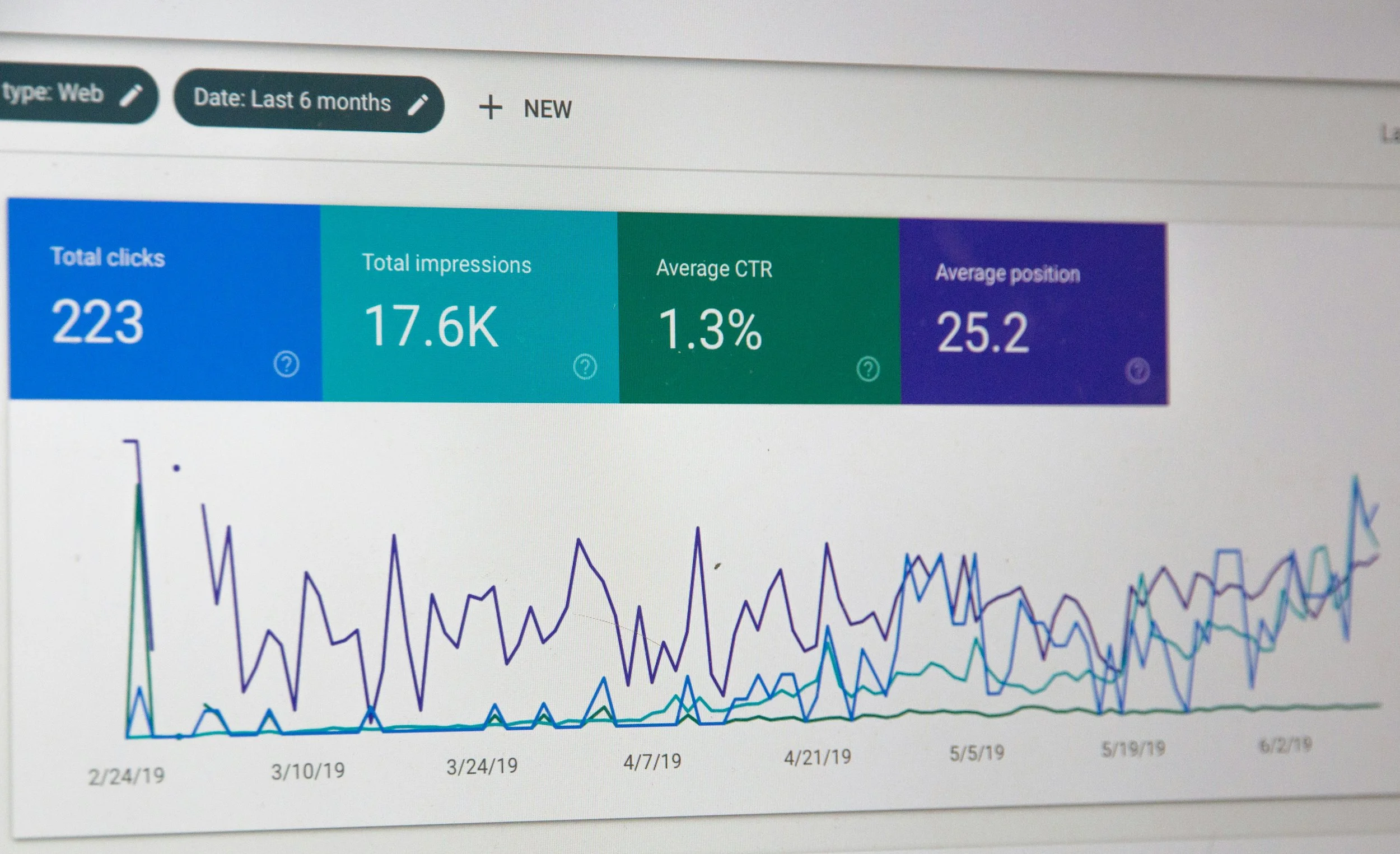
While working with Penn State REACH, I learned quickly that analytics could outperform pure creativity. Adjusting posting windows based on data increased our engagement by more than 60%. It proved that strategy and timing matter just as much as visuals.
Source: Sprout Social – “Analytics Index”
Tools That Decode Audience Behavior
These platforms shaped how I learned to analyze content:
• Google Analytics 4: shows user flow, page retention, and traffic sources.
• Meta Business Suite: reveals reach, demographics, and posting windows.
• Sprout Social: analyzes best-performing content themes.
• Hootsuite: tracks competitor trends and content benchmarks.
• TikTok Analytics: shows retention spikes and where viewers drop off.
SocialInsider calls social analytics “a strategic necessity,” noting that data-driven planning consistently outperforms intuition alone.
Source: SocialInsider – “Social Media Market Research Guide”
What Visual Data Tells Us

Analytics don’t just show numbers — they show preferences:
Which color palettes hold attention
What video hooks keep viewers past three seconds
Whether audiences prefer candid or curated visuals
Which storytelling styles get shared
How long people stay on a page
This is what I call vanalytics: using data to understand what visuals actually resonate.
Creativity + Data = Effective Storytelling
Every internship taught me that great marketing blends creativity with analytics. Data clarifies patterns that creativity can’t see alone. The best content is emotional, intentional, and backed by real audience behavior.